Basement flooding is one of the most common and costly problems homeowners face: from water damage to mold growth, a poorly protected basement can quickly become a nightmare. That is why a homeowner guide to sump pumps is essential.
Sump pumps remove water that comes from around the home's exterior foundation and flows into a basement or crawl space sump pit, protecting your home from flooding. In this guide, we will cover 9 essential things every homeowner must know, including types of sump pumps, installation tips, maintenance advice, warning signs, and how to choose the right pump for your home.
By the end of this article, you will understand how to keep your basement dry, extend the life of your sump pump, and prevent costly water damage.
(Click PAGE MENU To See Topics Covered On This Page. Scroll down the page to see all Menu Topic Information. Click the X to close the page menu) PAGE MENU
Quick Info About Sump Pumps For Homeowners
- Storms these days seem to be more severe and hit where they never used to; thus planning ahead how to handle unwanted water is smart.
- The right sized sump pump is important; Too little horse power can lead to flooding and too much horse power causes motor short cycling and premature wear.
- To estimate HP needed: Count how many times the pump runs per minute during a heavy rainstorm. Multiply that by 5 to get number of gallons pumped per minute.
- Sump pump failure is most commonly attributed to lack of electrical power, but sump pumps also fail due to mechanical reasons such as float switch problems. This is why backup pumps are recommended.
- Ground water containing calcium carbonate contaminates a vertical magnetic reed float switch but not a snap action vertical float switch.
- Periodic testing and maintenance keep your sump pump operational longer.
Click the Table Of Contents button to Hide it. Click it again to see it.
A sump pump is a mechanical device. A sump pump pumps water that collects in a basement or crawl space sump pit, usually from rain or groundwater. Its main goal is to prevent basement flooding and water damage. This is an amazingly small device for such an important task; however without a source of energy such as electricity, batteries or water, it cannot operate.
Main Parts of a Sump Pump System
A sump pump system may look simple from the outside, but several important components work together to keep your basement dry and protected from flooding. Each part plays a specific role in detecting rising water, moving it away from your home, and ensuring the system operates reliably when you need it most. Understanding these components can help you recognize how your sump pump functions, identify potential problems earlier, and communicate more effectively with service professionals when maintenance or repairs are needed.
While the pump itself is the most recognizable part of the system, it relies on other key elements-such as the sump basin, float switch, discharge line, and check valve-to operate properly. If any one of these components fails or becomes obstructed, the entire system performance can be affected. In the following section, we will break down the main parts of a sump pump system and explain how each one contributes to protecting your home from water damage.
The pump motor runs the pump to remove (push) water from the pit. Its power is measured as horse power. Choosing the correct pump size (HP) is important because undersized horse power does not keep up with the water and too much horse power causes motor short cycling and premature wear.
Common residential HP sizes include:
Pump SizeTypical Use
1/4 HPLight water inflow
1/3 HPModerate water inflow
1/2 HPHeavy water inflow
3/4-1 HPSevere flooding conditions
Float Switch
The float switch is responsible for activating the pump. It moves in response to the water level in the pit and is set to trigger the switch to turn the pump on when the water reaches the preset On height.
- As floating ball reaches its preset On height, the switch electric contacts close and the pump runs
- Very commonly used on submersible pumps
- Needs a wide sump pit
Vertical Float Switch
- A float moves up and down on a rod. At its present On point, the switch electrical contacts close and the pump runs
- Ideal for narrow sump pits
- Snap action vertical float switches are not affected by ground water calcium carbonate contamination
- Magnetic reed vertical float switches require period cleaning because they become contaminated with calcium carbonate
Diaphragm Switch
- Uses a diaphragm (thin membrane) instead of a float to monitor water height in pit
- Makes small foot print in pit
- Activation of the switch occurs as water pressure pushes on the flexible rubber membrane, diaphragm, enough to close the switch electrical contact and run the pump
- Sensors send a signal to a controller to activate the pump motor
- Attaches to discharge pipe so makes small foot print in pit
- Some allow customized placement of sensors to increase distance between ON Off cycle
- Highly reliable but more expensive
Since switch failure is a common cause of sump pump problems, choosing a reliable switch design is important.
PAGE MENU
Pump Housing
Pump housing keeps the pump motor cool during pumping and protects it for water intrusion.
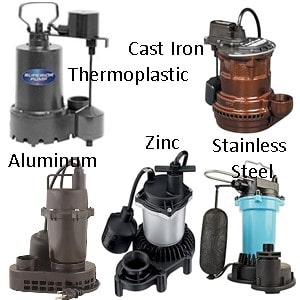
Cast iron offers the best heat dissipation. This becomes extremely important for heavy duty continuous pumping. If the motor gets too hot the Thermal Overload Protection relay turns the pump off until it cools down. When this happens during heavy pumping, the pump will not run and no water will be pumped from the pit. Stainless steel is an alternative material used for pump housing.
Thermoplastic traps heat so should not be used for heavy continuous pumping. Aluminum and zinc are not the best for motor heat dissipation either.
Flow Rate (Gallons Per Minute)
Flow rate measures how much water the pump can move in a minute or hour at a specific vertical height. .
Most residential pump flow rate ranges between 20 and 80 gallons per minute, depending on horsepower and vertical lift. A vertical float switch removes approximately 5 gallons per pump cycle in an 18 inch diameter sump pit. To remove 20 gallons per minute, the pump would cycle 4 times per minute. To remove 80 gallons, the pump would cycle every 4 seconds.
Maximum Head Height
Head height refers to how high the pump can push water vertically.
Most homes require pumps capable of lifting water 8 to 12 feet.
Higher lifts reduce the pump flow rate, so it is important to check the pump performance chart and to know the vertical height of your discharge pipe system.
Discharge Pipe
The discharge pipe system channels the water pumped from the pit to its destination away from the house. The common standard size is 1-1/2 inches in diameter. Some heavy-duty 1 HP pump discharge parts measure 2 inches. The larger the discharge pipe diameter, the greater the volume of water pushed through. On the other hand 1-1/4 inch discharge pipes handle lower flow-through.
Check Valve
A check valve prevents pumped water from returning to the sump pit and requiring re pumping. They are highly recommended.
- The two most common types of check valves include: 1) Traditional with a flapper 2) Quiet with a spring loaded switch gate,
- The Quiet check valve is highly recommended because its closing is controlled by a 1/2 pound spring.. This deafens the water slamming sound when the sump pump shuts off. The spring also extends the life of a check valve.
- Protects your home from mold and structural damage
- Prevents seepage through basement walls or floors.from water that collects around the foundation
In summary, a sump pump removes water before it can overflow into your basement; it prevents standing water around a foundation which can cause structural damage over time; it removes basement moisture to prohibit an environment for mold growth; it protects your valuables and appliances from water damage. And it improves the air quality by reducing humidity sources.
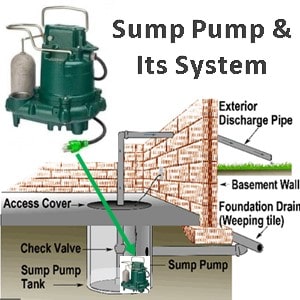
How Sump Pumps Prevent Basement Flooding
Although sump pumps perform an important function, the system itself is relatively simple.
- A sump pit (also called a sump basin) is a hole dug into the basement floor that collects water from drainage systems and groundwater seepage.
- The pit acts as a collection point for water that would otherwise enter the basement.
2. The Float Switch Detects The Water Level
- Inside the sump pit is a float switch that rises as the water level increases.
- When the water reaches a preset level, the float switch activates the pump.
3. The Pump Removes The Water
- Once activated, the sump pump motor pushes water through a discharge pipe that leads outside the home.
- The water is typically discharged:
- Away from the foundation:
- Into a storm drain:
- Into a drainage ditch:
- Into a dry well
4. The Pump Turns Off
- After the water level drops back down, the float switch lowers and turns the pump off.
- This cycle repeats automatically whenever the sump pit fills with water.
- This simple system prevents water from accumulating inside the basement and causing damage.
PAGE MENU
The 4 Main Types of Sump Pumps
Choosing the right type of sump pump is critical for preventing basement flooding. There are four main types: Submersible, Pedestal, Battery Backup and Water Powered Backup.
Submersible Sump Pumps
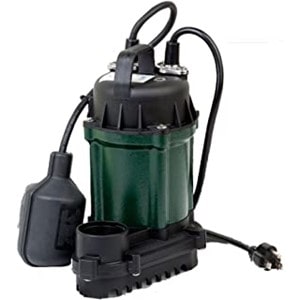
Submersible sump pumps are installed inside the sump pit and operate underwater,
.
These pumps are designed with waterproof housing to protect the motor.
.
Advantages
- Quieter than pedestal pumps.
- More powerful pumping capacity.
- Hidden inside the sump pit.
- Longer lifespan in many cases
- Suitable for larger basements with heavy water flow
- More brands, models and optional features available
Pedestal pumps design includes a motor mounted above the sump pit on a long shaft extending down into the water. The float determines when the pump runs and the pit water is sucked up through the long shaft and discharge pipe system.
.
Advantages
- Lower purchase cost.
- Easier maintenance because switch and motor are not in the water.
- Longer motor life usually because the motor is not submersed in water
- Best for smaller basements or low water volume areas
Disadvantages
- Noisier operation.
- Less powerful; not stable in continuous pumping situations
- More visible in the basement and pose safety issue for children and pets
Pedestal pumps are used more frequently in smaller pits or older homes.
9 Things Every Homeowner Must Know About Sump Pumps
Here are the 9 essential things to ensure your sump pump works effectively.
.
1. Proper Installation: Ensure the sump pump is installed correctly to avoid flooding. Hire a professional if unsure.
2. Average Costs: Expect to pay $600-$2,500 depending on type and installation complexity.
3. Maintenance and Lifespan: Regular maintenance can extend lifespan to 7-10 years.
4. Signs of Failure Strange noises, constant running, or failure to start indicate problems.
5. Importance of Battery Backup: Prevents flooding during power outages.
6. Discharge Line Placement: Direct water at least 10 feet away from your foundation.
7. When to Replace: Replace pumps older than 10 years or showing repeated failures.
8. Professional vs DIY Installation: DIY saves money, but professional installation ensures reliability..
9. Safety Tips: Avoid electrical hazards and keep the pit clean.
Warning Signs Your Sump Pump May Be Failing
Even a properly installed sump pump can fail over time. Watch for these warning signs: 1) Strange Noises 2) Constant Running 3) Pump Not Activating 4) Rust or Damage.
Strange Noises
If your sump pump is making noises, pay attention. Grinding, rattling, or squealing sounds may indicate.
.
- Worn-out bearings
- Debris in the pump
- Motor problems
Ignoring these noises can lead to total pump failure.
Constant Running
A sump pump running constantly , is another clear warning sign. This usually happens when:
.
- The water table is unusually high
- The float switch is stuck
- The pump is undersized for your sump pit
Constant operation wears out the pump faster and increases energy costs
- Check anti-airlock hole in discharge pipe for clogging if your sump pump requires one
Step 3 Test the Pump
- Pour water into the pit
- Ensure pump activates and drains water efficiently
Step 4 Check the Discharge Pipe
- Make sure water flows away from foundation
- Inspect check valve for proper operation
PAGE MENU
How to Choose the Right Sump Pump for Your Home
Choosing the right pump prevents flooding and ensures long-term reliability: Considering the following elements makes choosing a new sump pump easier.
Sump Pump Type
Determine if ease of maintenance outweighs the safety and noise. A pedestal pump is easier to maintain but it causes safety risks for children and pets and is noisy.
- Electric sump pumps are most reliable; however there are two types to choose from: submersible or pedestal. The most common choice is submersible.
Backup Power Options
Decide if you want to take the risk of your sump pump or electricity never failing. A backup pump provides protections when pump failure happens.
- Battery backup sump pumps are most common; however those with low water flow into the pit could benefit from installing a water powered backup sump pump. Water powered sump pumps require no battery. Regardless of which backup pump is chosen, it is smart to have a backup pump for the main pump.
Horsepower Options
Know if your sump pump runs continuously during heavy rain storms, if it keeps up with the water flow into the pit, and how often it runs.
- Sump pump horse power options are 1/4 HP. 1/3 HP, 1/ HP, 3/4 HP and 1 HP.
- More HP moves water faster; however too large of a pump will not function properly in too small of a sump pit.
- Larger basements need larger horse power pumps. An average size basement with 1,500 to 2000 square feet, usually requires 1/2 HP.
Pump Performance, GPH (Gallons Per Hour)
Typical GPH, gallons per hour, range from:
- Under 1,300 GPH for 1/4 HP pumps
- 1,400 - 3,200 GPH for 1/3 HP pumps
- 3,300 - 4,000 GPH for 1/2 HP pumps
- 4,100 - 4,500 GPH for 3/4 HP pumps
- Above 4,500 GPH for 1 HP pumps
To calculate your GPH needs, monitor the water flow into the sump pit during a heavy rainstorm. Count how many times the pump runs in one minute. A submersible pump removes around 5 gallons of pit water in an 18-inch sump pit per pump cycle:
Float Switch Type
Know your pit diameter, type of chemicals in ground water and decide how many pumps you want installed in the pit.
- A tether float requires an 18 inch diameter pit. Installing it with a battery backup pump can cause the float to get tangled.
- A magnetic reed vertical switch is affected by calcium carbonate found in ground water which runs into the pit, Periodic cleaning is necessary to prevent float switch failure.
- A snap action vertical switch is not affected by calcium carbonate found in ground water.
- A diaphragm requires little pit room; however the pumps using this type of float switch are no more than 1/3 HP.
- An electronic switch eliminates the need for moving parts but unless a manual sump pump is installed, the integrated float switch on an automated pump must be bypassed. Bypassing an existng float switch is possible and easy.
Pump Housing Material
Know how frequnetly and how long your sump pump runs during heavy rains.
- Cast iron is best for sump pumps operating continuously during rainstorms. Cast iron dissipates the motor heat best.
- Stainless steel is a good alternative to cast iron, but its base must be cast iron so the pump weighs enough to stay in place during heavy continuous pumping.
- Aluminum and zinc do not dissipate heat well; therefore they should not be used for sump pumps that need to run continuously for long periods of time.
- Thermoplastic housing traps motor heat so is no recommended
Brand Reputation And Warranty Coverage
Well-established manufacturers with a long track record and strong warranties are often preferred by plumbers and homeowners looking for dependable long-term performance.
- The oldest sump pump manufactures in the USA are Flotec (1934), Zoeller Pump Company (1939), Wayne Pump Company (1830's), Little Giant (1941) and Liberty Pumps (1965)..
Summary:
Choosing the right sump pump involves evaluating several important factors, including pump type, horsepower, water inflow, vertical lift, and discharge design. A right sized sump pump should be powerful enough to remove water efficiently without running constantly or wearing out prematurely. By carefully assessing your basement conditions and selecting the appropriate system, you can greatly reduce the risk of flooding and protect your home from costly water damage.
PAGE MENU
Sump Pumps vs Other Basement Flood Prevention Methods
While sump pumps are essential, they are not the only solution.
French Drains vs Sump Pumps:
Both French drains and sump pumps are widely used to prevent basement flooding, but they work in very different ways. Understanding the advantages and disadvantages of each system can you determine which solution best fits your property, soil conditions, and drainage needs,
.
- French drains channel water away from the house so it does not go into the lower level of a house. They intercept groundwater before it enters the foundation, reducing hydrostatic pressure against basement walls.
- Sump pumps remove water after it collects in a sump pit from runoff through drain title. It is a mechanical device that removes water from the pit.
Waterproofing:
Exterior waterproofing seal cracks and uses vapor barriers so water does not enter the basement. The sump pump collects water from the lowest part of your basement and pumps it out, preventing flooding. This difference is crucial depending on how much water typically surrounds your home's foundation.
- A sump pump plus waterproofing is most effective.
7-10 years with maintenance. Keeping the pit clean and replacing the float switch every 3 - 5 years makes a difference. A right sized pump prevents premature motor wear. Cast iron housing keeps the motor cooler during continuous pumping
Do all homes need a sump pump?
Only homes prone to flooding or high groundwater need a sump pump.
How often should you test a sump pump?
Monthly unless you hear it running during that time frame.
Can a sump pump fail during heavy rain?
Yes, this is the most likely time for it to fail. Heavy continuous pumping places strain on the pump and float switch. This is when float switches most frequently fail. Keep a replacement switch on hand. This is when a backup pump becomes critical.
What size sump pump do I need?
Depends on your basement size and water volume. One-third and one-half horse power pumps are most commonly used. Observe how well your existing pump handles heavy rainstorms. Continuous pumping during heavy rains with water almost overflowing the pit indicates the horse power is too small.
Conclusion
A sump pump is a homeowner's best defense against basement flooding. By understanding types, installation, maintenance, costs, warning signs and how to choose the right sump pump, you can protect your home and your family belongings.
Remember the 9 essential things every homeowner must know:
1. Proper installation; it must be level, away from the pit wall and the discharge piping is aligned.
2. Average costs pump type and installation complexity increase the cost.
3. Maintenance and lifespan regular maintenance increases a sump pump life span.
4. Warning signs a backup gives protection when the main pump fails to run.
5. Battery backup importance ipump type and installation complexity increase the cost.
6. Discharge placement route the water to run away from the house.
7. Replacement timing depends upon usage; a magnetic vertical float switch gets contaminated with calcium carbonate; a snap-action vertical float switch is tested to run 1 million cycles; the enhanced snap-action vertical float switch is tested to run 3 million cycles
8. DIY vs professional videos help the DIY. Make sure to test your installation.
THE HELPFUL PUMP PLACE where you can become an educated shopper. Review - Compare - Shop And Find The Best Pumps Selection For Your Water Pumping Needs.