Sump Pump Horsepower Comparison: Choose the Right HP Size for Your Home
Choosing the right sump pump horsepower (HP) is an important step in protecting your basement from water damage. Horsepower measures the power of the pump's motor, but it does not tell the whole story. A higher horsepower pump is not always the best choice for every home.
To select the right sump pump, you also need to consider its gallons per hour (GPH) rating, which measures how much water the pump can actually remove. Just as important is the discharge height (vertical lift), because a pump's GPH decreases as it has to lift water higher. By understanding how horsepower, GPH, and discharge height work together, you can choose a sump pump that provides reliable performance without paying for more pump than you need.
The best sump pump for your home isn't necessarily the one with the highest horsepower, it's the one that is properly matched to your home's water conditions.
Quick Answer: A 1/3 HP sump pump meets the needs of most homes. It provides the right balance of pumping capacity, reliability, and energy efficiency. If your basement receives heavy groundwater, your home is in a high-water-table area, or your pump runs for long periods during heavy rain, upgrading to a 1/2 HP model is usually the better choice. Choosing a larger motor than necessary isn't always beneficial, which is why it's important to match the pump to your home's drainage conditions.
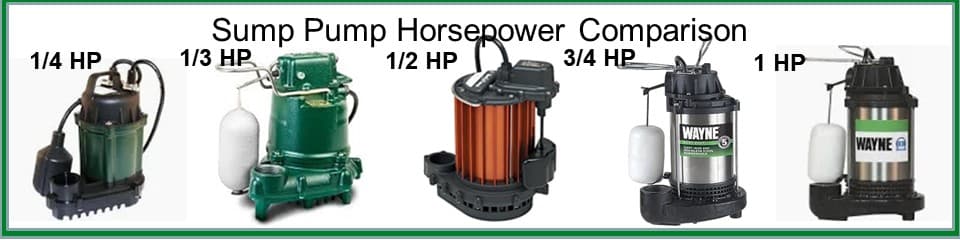
Quick Sump Pump Horsepower Comparison Table
| Horsepower | Best For | Typical Flow Rate | Pros | Cons |
|---|---|---|---|---|
| 1/4 HP | Small homes with minimal groundwater and shallow sump pits | Low | Lowest cost, energy efficient, adequate for light-duty applications | May struggle during heavy rain or with higher vertical lift. |
| 1/3 HP | Most average homes with normal groundwater conditions | Moderate | Best balance of price, performance, and reliability; the most common residential choice. | May not keep up with extreme water inflow or very deep discharge lines. |
| 1/2 HP | Homes with frequent heavy rainfall, high water tables, or longer discharge runs | High | Pumps more water faster, handles greater head pressure, and performs well in demanding conditions. | Higher purchase price and slightly higher energy consumption. |
| 3/4 HP | Large homes, deep basements, commercial buildings | Very High | Maximum pumping capacity and excellent performance under heavy loads. | More expensive and often unnecessary for the average residential home. |
| 3/4 HP 1HP | Large custom homes, deep basements, commercial buildings with high water table and large sump pit | Extreme | Maximum pumping capacity and excellent performance under extreme heavy loads. | Definitely more expensive and unnecessary for the average residential home. |
If you're evaluating more than just horsepower, be sure to explore our Sump Pump Comparisons: Compare the Best Brands, Models & Features Before You Buy guide. It provides in-depth comparisons of leading sump pump brands, switch types, construction materials, warranties, and performance features to help you choose the right pump with confidence.
1/4 HP Sump Pumps
When Is a 1/4 HP Pump Enough?
A 1/4 HP sump pump is the smallest horsepower commonly used in residential applications. It works well in homes with minimal groundwater and where the pump only runs occasionally. While it costs less and uses less electricity than larger models, it is not designed for handling heavy water inflow during severe storms.
Pros
- ->Lowest purchase cost.
- ->Uses less electricity than higher horsepower pumps.
- ->Suitable for light-duty applications with low groundwater.
- ->Can provide years of reliable service when properly matched to the installation.
Cons
- ->Lower pumping capacity than 1/3 HP and larger pumps.
- ->May struggle during heavy rainfall or rapid groundwater infiltration.
- ->Not recommended for homes with a high water table.
- ->Less forgiving if discharge piping has a high vertical lift or multiple elbows.
Best For:
- ->Homes with historically dry basements.
- ->Areas with low to moderate annual rainfall.
- ->Shallow sump pits with minimal vertical discharge height.
- ->Vacation homes or seasonal properties with limited pumping needs.
- ->Replacing an existing 1/4 HP pump that has provided adequate performance.
1/3 HP Sump Pumps
When Is a 1/3 HP Pump Enough?
A 1/3 HP sump pump is the most popular choice for residential homes because it provides an excellent balance of pumping capacity, reliability, energy efficiency, and cost. It is capable of handling normal groundwater seepage and moderate rainfall in most basements, making it the best all-around option for the average homeowner.

Pros
- ->Ideal balance of performance and affordability.
- ->Suitable for most residential basements.
- ->Handles moderate groundwater and typical rain events.
- ->Available in a wide variety of pedestal and submersible models.
- ->Generally uses less electricity than larger horsepower pumps.
Cons
- ->May not keep up with extremely heavy water inflow.
- ->Can struggle in homes with a high water table or frequent flooding.
- ->Not ideal for long discharge runs with significant vertical lift.
Best For
- ->Most single-family homes.
- ->Basements with average groundwater conditions.
- ->Areas with moderate annual rainfall.
- ->Homes replacing an older 1/3 HP sump pump that has performed well.
- ->Homeowners looking for the best combination of value and performance.
1/2 HP Sump Pumps
When Is a 1/2 HP Pump Enough?
A 1/2 HP sump pump provides significantly greater pumping capacity than a 1/3 HP model, making it a better choice for homes with higher groundwater levels, heavier rainfall, or greater vertical discharge heights. It is often recommended for homes where the sump pump runs frequently during storms.

Pros
- ->Higher pumping capacity for demanding conditions.
- ->Performs well with greater vertical lift and longer discharge piping.
- ->Better suited for high water tables and heavy rain events.
- ->Provides an added margin of protection during severe weather.
- ->Often considered the best upgrade for homes with recurring water problems.
Cons
- ->Higher purchase price than 1/3 HP models.
- ->Uses more electricity during operation.
- ->May be more pump than necessary for homes with minimal groundwater.
Best For
- ->Homes with a high water table.
- ->Areas that receive frequent heavy rainfall.
- ->Basements where the sump pump operates for extended periods during storms.
- ->Installations with higher vertical lift or longer discharge piping.
- ->Finished basements where added flood protection is desirable.
3/4 HP Sump Pumps
When Is a 3/4 HP Pump Enough?
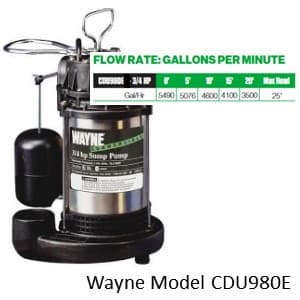
A 3/4 HP sump pump is intended for demanding residential applications where large volumes of water must be removed quickly. It offers substantial pumping capacity and is commonly used in homes with severe groundwater issues or complex discharge systems.
Pros
- ->Excellent pumping capacity for heavy water inflow.
- ->Maintains strong performance at higher head pressures.
- ->Handles long discharge pipe runs more effectively.
- ->Provides additional protection during major storm events.
Cons
- ->Higher initial cost.
- ->Consumes more electricity than smaller pumps.
- ->Unnecessary for most average residential homes.
- ->May short cycle if paired with a small sump pit or improperly adjusted float switch.
Best For
- ->Homes with severe groundwater infiltration.
- ->Properties with very high water tables.
- ->Large homes with significant basement drainage demands.
- ->Installations requiring high vertical lift or long discharge distances.
- ->Homes where maximum pumping capacity is a priority.
1 HP Sump Pumps
When Is a 1 HP Pump Worth It?
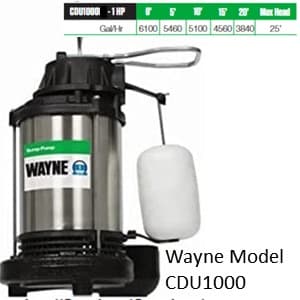
A 1 HP sump pump is typically reserved for the most demanding residential and light commercial applications. While it offers the highest pumping capacity among common residential sump pumps, it is unnecessary for most homes and should only be selected when the installation truly requires it.
Pros
- ->Maximum pumping capacity for extreme water conditions.
- ->Excellent performance with high head pressure.
- ->Can move large volumes of water quickly during severe storms.
- ->Suitable for challenging installations with long discharge runs.
Cons
- ->Highest purchase price.
- ->Uses the most electricity during operation.
- ->Overkill for the vast majority of residential applications.
- ->Oversizing the pump may lead to short cycling if the sump pit is undersized.
Best For
- ->Homes with extreme groundwater conditions.
- ->Properties experiencing repeated basement flooding.
- ->Very deep sump pits with high vertical lift requirements.
- ->Light commercial buildings.
- ->Specialized residential installations requiring maximum pumping performance.
What Does Sump Pump Horsepower Mean?
Horsepower (HP) is a measure of the power produced by a sump pump's electric motor. The motor converts electrical energy into mechanical energy to spin the pump's impeller, which pushes water out of the sump pit and through the discharge pipe.
Higher horsepower sump pumps are built with larger or more robust motors that can produce more power. They also typically use heavier-duty components, such as larger bearings, stronger motor windings, and pump assemblies designed to handle the additional power. Because of these design differences, a 1/4 HP sump pump is built much differently than a 3/4 HP sump pump.
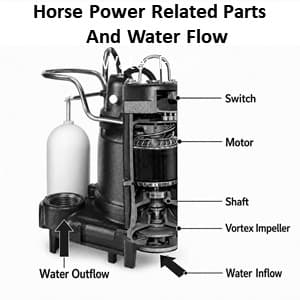
A higher horsepower motor generally draws more electrical current and has the potential to move more water. However, horsepower alone does not determine a sump pump's actual pumping capacity. The pump's impeller design, discharge height, discharge pipe size, and overall hydraulic efficiency all influence how many gallons per hour (GPH) the pump can deliver.
This is why two sump pumps with different horsepower ratings can sometimes have similar GPH performance. When comparing pumps, always look at the manufacturer's performance chart to see the pump's actual GPH at your home's discharge height.
Horsepower vs. GPH: What is the Difference?
Horsepower (HP) measures the strength of a sump pump's motor, while gallons per hour (GPH) measures how much water the pump can actually move. Although the two are related, a higher horsepower rating does not automatically mean a higher pumping capacity.
Understanding the relationship between horsepower and GPH makes it easier to compare sump pump sizes and choose the right pump for your home's needs.

A sump pump's actual performance depends on several installation and operating factors, including:
- ->Vertical discharge height (head pressure): The farther water must be lifted, the lower the pump's flow rate. As head pressure increases, GPH decreases.
- ->Discharge pipe layout: Every elbow, bend, and fitting adds resistance, reducing water flow.
- ->Discharge pipe diameter: Larger-diameter pipes allow water to flow more efficiently and can improve overall pump performance.
- ->Sump pit size: A larger sump pit holds more water, allowing the pump to run longer per cycle and reducing frequent starts and stops that can increase wear.
- ->Float switch settings: The pump's ON and OFF levels determine how much water enters the pit before pumping begins and how much remains after each cycle.
Because every home's plumbing configuration is different, the same sump pump can produce different flow rates in different installations.
It's also important to understand that two sump pumps with the same horsepower can perform very differently. One pump may maintain a much higher flow rate at 10 to 20 feet of vertical lift, while another loses pumping capacity much sooner due to differences in motor design, impeller efficiency, and overall construction.
When choosing the right sump pump horsepower, don't focus on the motor size alone. Consider your home's vertical lift, discharge pipe configuration, pipe diameter, sump pit size, and the amount of groundwater your system needs to handle. The best sump pump is the one that delivers the required GPH at your home's actual operating conditions, not simply the one with the highest horsepower.
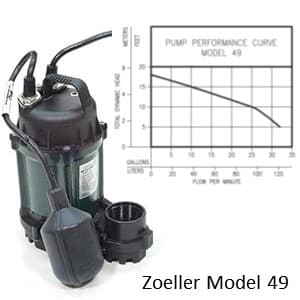
To determine how much water a specific sump pump can actually move, consult the manufacturer's performance chart. This chart shows the pump's flow rate-typically listed in gallons per hour (GPH) or gallons per minute (GPM)-at various vertical lift (head) heights. Comparing these performance curves is one of the best ways to determine how a pump will perform in your home's actual installation.
How to Choose the Right Sump Pump Horsepower
Choosing the right sump pump horsepower depends on how much water enters your sump pit and how far the pump must move it. A larger horsepower pump is not always the best choice. The goal is to select a pump that can handle your home's peak water flow while providing the required gallons per hour (GPH) at your discharge height.
As a general guideline:
- ->1/4 HP: Suitable for homes with a low water table and minimal water entering the sump pit. Best for light-duty applications.
- ->1/3HP: The most common choice for residential homes. It provides enough pumping capacity for average groundwater conditions and moderate discharge heights.
- ->1/2HP: Recommended for homes with heavy groundwater, frequent storms, higher vertical discharge heights, or longer discharge pipe runs with several elbows.
- ->3/4HP or 1HP: Best for homes with exceptionally high water inflow, very high lift requirements, or specialized applications. These pumps are generally unnecessary for the average home.
Before choosing a horsepower rating, calculate your home's required GPH based on the maximum water entering the sump pit during heavy rainfall and compare it with the manufacturer's performance chart at your actual discharge height. This ensures the pump will remove water faster than it enters the pit.
If you're deciding between two pump sizes, selecting the slightly larger pump is often the better choice, provided your discharge plumbing is properly sized. A pump that has additional capacity is less likely to struggle during extreme rain events, helping keep your basement dry when you need it most.
Frequently Asked Questions about Sump Pump Horsepower
What does horsepower (HP) mean on a sump pump?
Horsepower (HP) is the amount of power the sump pump's motor produces to move water from the sump pit through the discharge pipe. While a higher horsepower motor can provide more pumping power, it does not automatically mean the pump will move more water. The pump's design and the discharge system also affect its performance. It is important to know your own water situation.
Is a higher horsepower sump pump always better?
No. A larger horsepower pump is only beneficial if your home requires the additional pumping capacity. An oversized pump may cost more to purchase and operate without providing any real advantage. Choosing a pump based on its gallons per hour (GPH) at your home's discharge height is more important than simply selecting the highest horsepower available.
What size sump pump do most homes need?
In our experience evaluating residential sump pump systems, a 1/3 HP pump works well for many homes with moderate groundwater conditions. However, homes with deep sump pits, long discharge runs, or frequent flooding problems may benefit from a 1/2 HP model. Smaller 1/4 HP pumps are typically used only where water inflow is minimal.
How do I know if I need a 1/3 HP or a 1/2 HP sump pump?
The best way to choose between a 1/3 HP and a 1/2 HP sump pump is to consider how much water enters your sump pit and how hard the pump must work to move that water outside your home.
A 1/3 HP sump pump is usually sufficient for homes with moderate groundwater conditions, shorter discharge runs, and average rainfall. A 1/2 HP sump pump is often a better choice for homes with heavy groundwater, frequent flooding concerns, higher vertical discharge heights, or longer discharge pipe runs.
Another practical method is to evaluate your existing sump pump. Check the horsepower rating of your current pump, then observe its performance during the next heavy rainstorm. Pay attention to how high the water level rises in the sump pit while the pump is running.
If the pump is running continuously and the water level continues to rise close to the top of the pit, the pump may not have enough capacity for your home's conditions. Before upgrading to a larger horsepower pump, also check for issues such as a clogged pump intake, restricted discharge pipe, or other plumbing problems that can reduce pumping performance.
Remember, horsepower alone does not determine pumping ability. The most important measurement is the pump's GPH (gallons per hour) performance at your home's actual discharge height.
Does a higher horsepower pump remove more water?
Not necessarily. A sump pump's actual water-moving ability is measured by its GPH (gallons per hour) rating, not just its horsepower. Horsepower indicates the power of the motor, but the pump's design, efficiency, and the height the water must be lifted all affect how much water it can move.
Two sump pumps with different horsepower ratings can have similar GPH performance, and in some cases, a lower horsepower pump can move more water than a higher horsepower pump. This happens because pump design and operating conditions can have a greater impact on performance than motor size alone.
We have seen situations where a smaller horsepower sump pump outperformed a larger horsepower pump because it was better matched to the discharge height and plumbing setup.
When choosing a sump pump, do not select a pump based only on horsepower. Instead, compare the manufacturer's GPH performance chart at your home's actual discharge height to ensure you are choosing a pump that can handle your water conditions.
What is more important: horsepower or GPH?
When choosing a sump pump, GPH (gallons per hour) is usually the more important specification because it tells you how much water the pump can actually remove under specific operating conditions.
Horsepower describes the motor's power, but it does not tell you exactly how much water the pump will move. A higher horsepower pump does not always provide better performance because factors such as pump design, vertical discharge height, pipe size, and discharge layout all affect water flow.
The best way to compare sump pumps is to review the manufacturer's performance chart and look at the pump's GPH rating at your home's actual discharge height. This gives you a much better understanding of the pump's true water-removal capacity and helps you choose the right sump pump for your needs.
How does discharge height affect sump pump performance?
Discharge height, also called vertical lift, has a major impact on sump pump performance. The higher a pump must push water upward through the discharge pipe, the harder the pump must work and the less water it can move per hour.
For example, a sump pump may be rated to move a certain number of gallons per hour (GPH) at a low discharge height, but that same pump will have a lower GPH rating when it must lift water several feet vertically.
:Every sump pump manufacturer publishes a performance chart showing the expected GPH at different discharge heights. When comparing sump pumps, always look at the GPH rating at your home's actual vertical lift height. This will give you a more accurate idea of the pump's true capacity and help you choose the right sump pump for your application.
Can a sump pump have too much horsepower?
Yes. An oversized pump can empty the sump pit very quickly, causing the pump to cycle on and off more frequently. This short cycling can increase wear on the motor and float switch. Choosing the correct size pump for your home's water conditions generally provides the best performance and longest service life.
Does the discharge pipe size affect pumping performance?
Yes. The size of your sump pump discharge pipe directly affects how efficiently the pump can move water. If the discharge pipe is smaller than the size recommended by the manufacturer, it creates additional flow resistance and can reduce the pump's actual GPH (gallons per hour) output.
For example, reducing a discharge pipe from 1-1/2 inches to 1-1/4 inches can significantly reduce water flow, depending on the pump model, pipe length, vertical lift, and number of fittings. In some installations, this reduction can result in a noticeable decrease in pumping capacity.
To achieve the pump's rated performance, always use the manufacturer's recommended discharge pipe size. Proper pipe sizing helps your sump pump operate more efficiently and ensures it can remove water as quickly as expected during heavy rain events.
Should I replace my sump pump with a higher horsepower model?
Only if your existing pump cannot keep up with the amount of water entering the sump pit or your pumping requirements have changed. If your current pump keeps the pit under control during heavy rain, increasing horsepower alone is unlikely to improve performance.
Does horsepower affect electricity usage?
Generally, yes. Higher horsepower motors typically draw more electricity when running. However, because they may pump water more quickly, the total energy used depends on both the motor size and how long the pump operates.
How long should a sump pump last?
This question has a two-part answer. The float switch and the pump motor assembly do not always have the same lifespan. A float switch may last several years depending on the type of switch, how often the pump cycles, and the water conditions in the sump pit. The pump itself, including the housing and motor, will typically last 7 to 10 years or more when properly maintained and correctly installed.
The actual lifespan of a sump pump depends on several factors, including how frequently it operates, water quality, maintenance, installation quality, and the demands placed on the system. A pump that runs every day will usually wear out faster than one that only operates during heavy rain events.
Regular testing, cleaning the sump basin, inspecting the discharge system, and replacing a worn float switch before it fails can help keep your sump pump operating reliably. However, no sump pump lasts forever, and many failures occur during heavy storms when the pump is working at maximum capacity.
Cast iron sump pumps with durable coatings, such as epoxy-coated housings, can provide excellent durability and improved heat dissipation. However, the quality of the motor, switch, and overall pump design also play important roles in long-term reliability.
Because a failed sump pump can result in costly basement flooding, many homeowners install a battery backup sump pump or a secondary pump system before the primary pump reaches the end of its service life.
What are the warning signs that a sump pump is failing?
A failing sump pump often shows warning signs before it stops working completely. Recognizing these signs early can help prevent unexpected basement flooding, especially during heavy rain events.
Common signs of a failing sump pump include:
- ->The pump runs continuously: If your sump pump keeps running under normal conditions even when water levels are low, it may indicate the float switch is not operating correctly, the weep hole (air relief hole) is plugged, the pump is undersized, or there is an issue with the discharge system.
- ->The pump does not turn on: A sump pump that does not activate when the water level rises may have a failed float switch, electrical problem, or motor failure.
- ->The pump runs but removes little water: This can be caused by a clogged intake screen, blocked weep hole, restricted discharge pipe, frozen discharge line, failed check valve, or a worn-out pump.
- ->Unusual noises or excessive vibration: Grinding, rattling, or loud humming noises may indicate problems with the motor, impeller, or internal components.
- ->Frequent on-and-off cycling: Short cycling, where the pump turns on and off repeatedly, can put extra stress on the motor and float switch and may indicate an installation or plumbing issue.
- ->Visible rust, corrosion, or damage: Physical deterioration can be a sign that the sump pump is approaching the end of its service life.
- ->The sump pump is more than 7 to 10 years old: Age alone does not mean the pump will fail, but an older pump has a greater chance of failing when it is needed most.
Regular testing and maintenance can help identify problems before they become emergencies. If your sump pump shows any of these warning signs, it is usually better to repair or replace the system before the next major storm rather than waiting until the pump stops working completely.
Next step: Compare the top sump pump brands, models, horsepower ratings, switch types, materials, warranties, and features side by side in our comprehensive Sump Pump Comparisons Guide.
Quick Shop Primary Sump Pumps By Horse Power
As Amazon Associates we make a commission from qualifying products. We use our commissions to cover our time creating pages like this. Your purchase price is the same as if you shop directly on Amazon.
Price at the time of publish gives you an idea of what the price may be though it is subject to change.
Click Shop Sump Pumps By HP To See Sump Pumps for a specific Horse Power. Scroll down the page to see all Sump Pump Horse Power Pumps.
Quick Shop 1/4 HP (0.25) Primary Submersible Sump Pumps

49 Water Riddr III
241
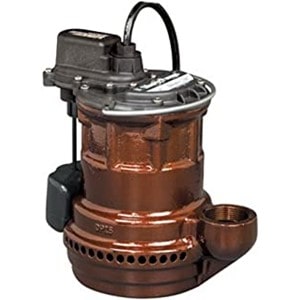
247
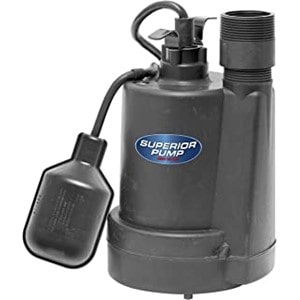
92250
QUICK SHOP 1/3 HP (0.33) Primary Submersible Sump Pumps
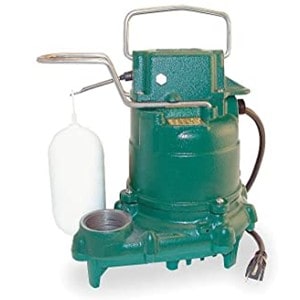
M53

M53-0001
M57
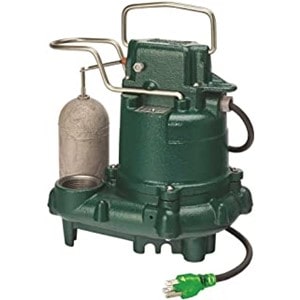
M63
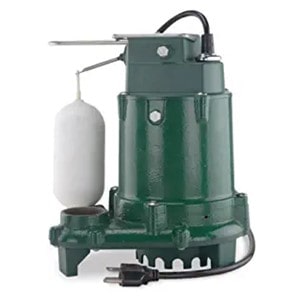
1052
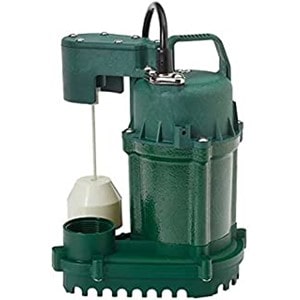
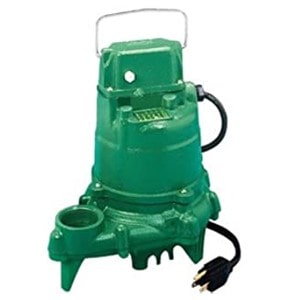
N53
N55
RSP130
SPF33-57610
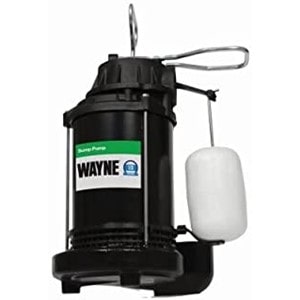
CDU790

SI33V

SIT33D

250-2
250-3
250-5
251
251-2
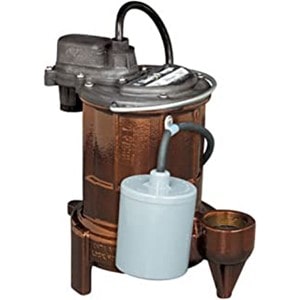
253
253-2
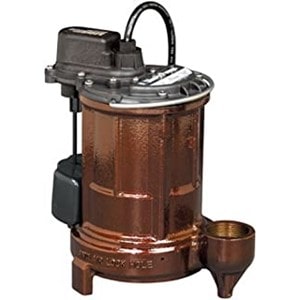
257
257-2
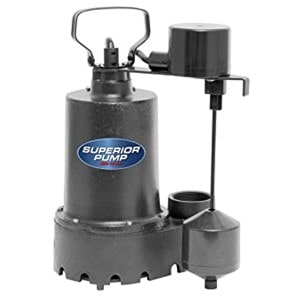
92341
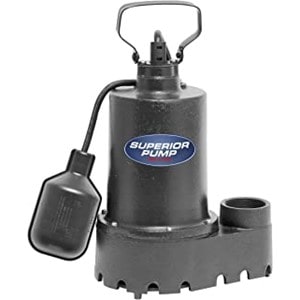
92331
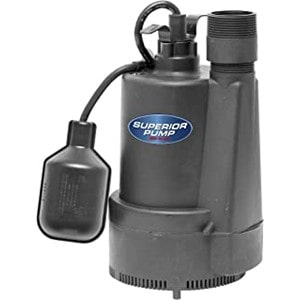
92330

3SVS

3SDHL

3SEHL (S1057)
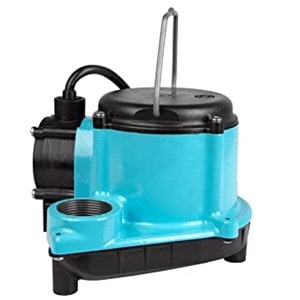
506125
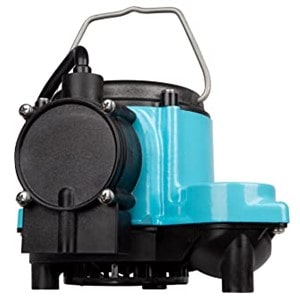
506158
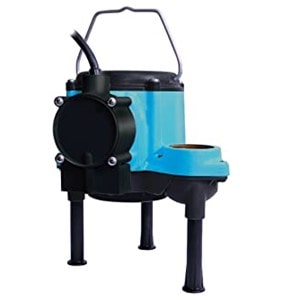
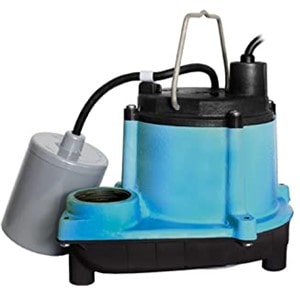
506171
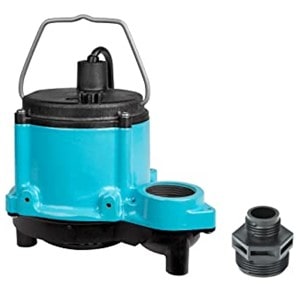
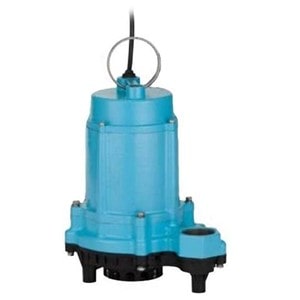
506802

506804

506807
QUICK SHOP 1/2 HP (0.5) Primary Submersible Sump Pumps
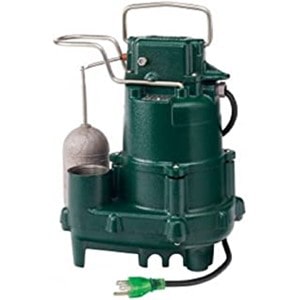
M95
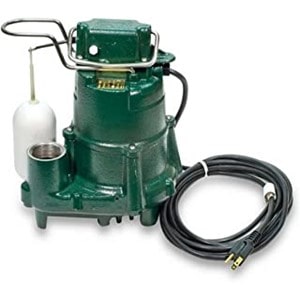
M98
M98-0001
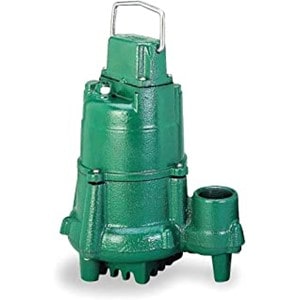
N98
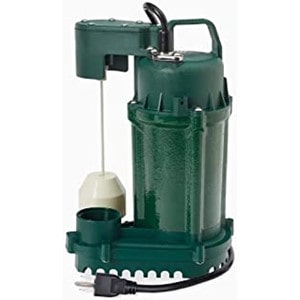
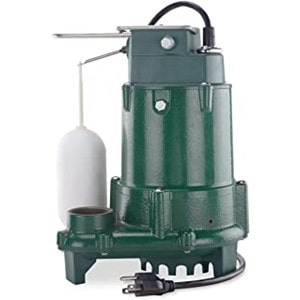
1096-0001
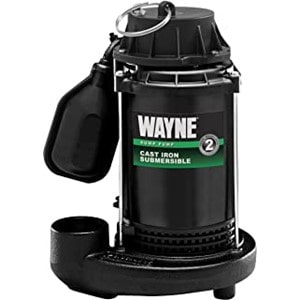
CDT50
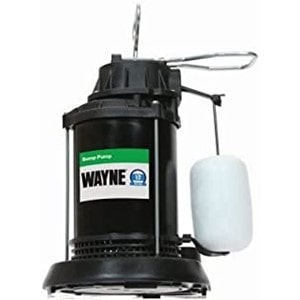
SPF50
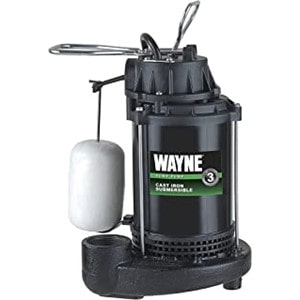

SI50V

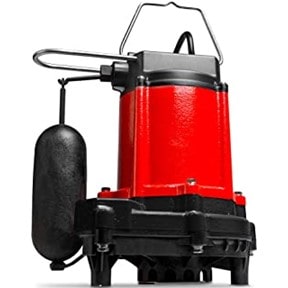
RL-50C
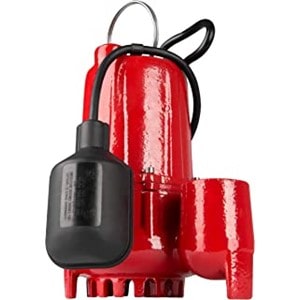
280
280-3
281
283
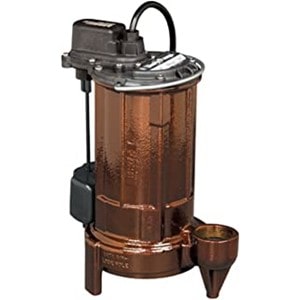
287
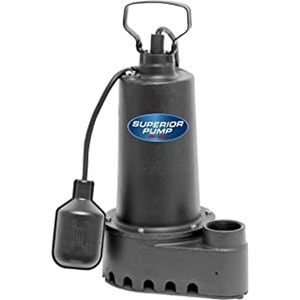
92501
92507

92511

92571

5SEH

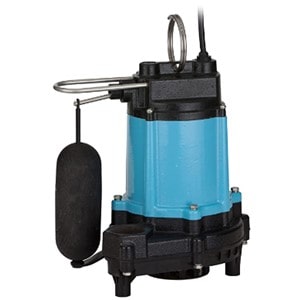
510803
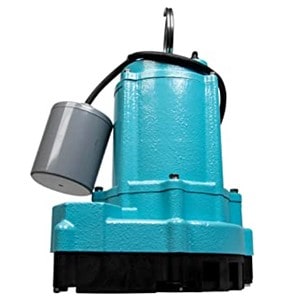
509801
E50VLT
QUICK SHOP 3/4 HP (0.75) Primary Submersible Sump Pumps
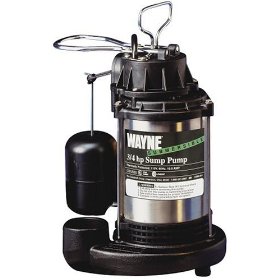
CDU980E
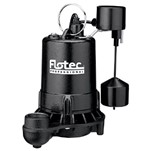
E75VLT

92751
290
290-2
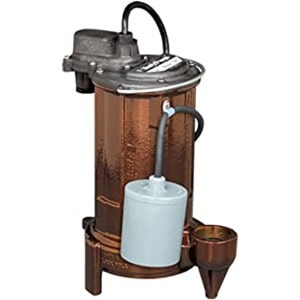
293
293-3
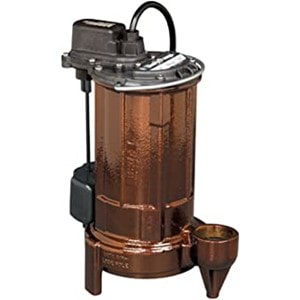
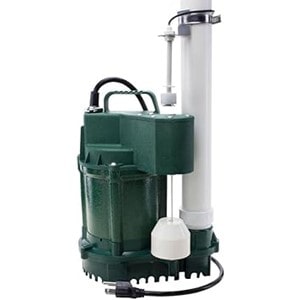
1099-0001
Quick Shop 1 HP (1.0) Primary Submersible Sump Pumps
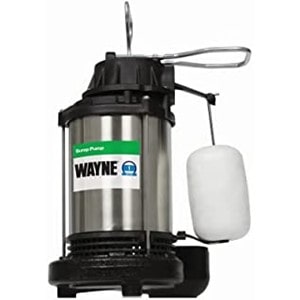
CDU1000

92151
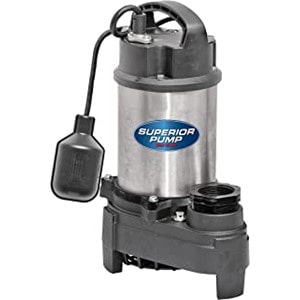

BWSS1000
HELPFUL RESOURCE LINKS TO COMPARE AND SHOP PUMPS
POPULAR BRANDS
BEST SELLERS
DETAILED PUMP REVIEWS
OTHER HELPFUL WEBSITES
OUR MISSION
SHARE US


